
Embracing the way God made me: Neurodivergence, prayer and the freedom to be yourself


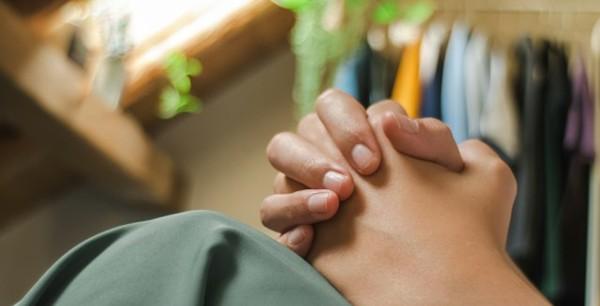
As Angel has come to know herself better, she has been able to be more present in the deeply personal relationship with God that she cherishes. You can hear her talk about how she lives and witnesses to her faith in the latest episode of Things I Wish I Knew.
What if prayer does not require a perfectly quiet mind? And what if faith begins not with trying to change who we are, but with discovering that we are already known and loved?
For many people, prayer can feel like an exercise in concentration. We might imagine that praying well means quieting our thoughts, remaining focused and setting aside the distractions of everyday life. But what happens when that feels almost impossible? And what if the difficulty is not a lack of faith, but simply the way our minds work?
For Angel Anyamele, discovering that she is autistic and has ADHD helped her make sense of experiences she had struggled to understand. It also brought a new freedom to her relationship with God, allowing her to approach prayer with greater acceptance of how God created her.
Angel is a doctor, university teacher, musician and worship leader. Her story begins with a faith that was familiar from childhood. Growing up Catholic, regular Mass and family prayer gave her a sense of grounding. As a teenager, however, faith began to become something more personal, as she tells the Things I Wish I Knew podcast.
At a New Dawn gathering, anxious about her A-level results and what they might mean for her future, Angel received prayer and experienced an overwhelming sense of God's love. Until then, she had understood intellectually that God loved her, but had not necessarily felt that this love was something she could personally receive.
The experience helped her recognise that her worth did not depend on exam results, achievements or other measures of success. She was loved for who she was.
That growing sense of acceptance also opened up new possibilities. Angel was encouraged to sing and play the piano at a youth gathering, despite feeling uncertain about her abilities. The invitation was gentle and without pressure, but it became the beginning of a music ministry that would grow to include worship events, songwriting, recordings and work with young people.
Years later, her neurodivergence diagnoses offered another important moment of understanding. Angel describes the relief of having language for aspects of her experience that had previously seemed confusing or difficult to explain. At the same time, she is careful not to allow a diagnosis to become the whole of her identity.
Understanding that she is autistic and has ADHD has helped her recognise how she experiences the world, but it has not changed her fundamental sense of who she is. Before anything else, she is a person made in the image of God, fully known and loved. A diagnosis can offer valuable insight, but it does not determine a person's worth or limit what they might become.
This distinction can also have implications for how we think about prayer. Angel knows what it is like to struggle with concentration and to feel that a wandering mind means she is somehow praying badly. Yet she has come to understand contemplation less as an exercise in mental discipline and more as an invitation to be present with God.
Thoughts will wander. Everyday concerns will interrupt. There may be noise, restlessness or a seemingly endless stream of things demanding attention. None of this means that God is absent, or that prayer has failed.
Instead, prayer can begin with an awareness of where we are and an invitation for God to meet us there. We do not necessarily need to create the perfect conditions for prayer before we begin. We can bring our actual selves, with all our distractions and difficulties, into God's presence.
Angel describes the idea of a 'secret place' of prayer as something like a garden: an interior space where intimacy with God can grow. It is not a prescribed method or a particular experience that everyone must reproduce. Rather, it is an image of a personal relationship with God, one that can take different forms for different people.
This freedom to be oneself is also important in the life of the Church. Angel reflects on how churches can become more welcoming places for neurodivergent people, beginning with a willingness to recognise that people experience worship and community differently.
For some, this might mean practical adjustments to accommodate sensory needs. For others, it might mean allowing greater flexibility in how people participate, or recognising that not everyone will find the same forms of prayer and worship accessible. Just as importantly, it means noticing and valuing the gifts people bring, rather than expecting everyone to fit an established mould.
Angel's experience of being invited to share her musical gifts exemplifies the difference a simple encouragement can make. Sometimes inclusion begins with seeing something in another person that they have not yet recognised in themselves, and creating the space for it to grow.
There is something here for all of us, whether or not we identify as neurodivergent. Christian life is not about achieving a particular version of ourselves before we can approach God. Nor does prayer depend on our ability to control every thought or distraction. It begins with the God who already knows us, loves us and invites us into relationship.
Perhaps the freedom to pray is also the freedom to stop pretending to be someone else. We can come as we are, trusting that God meets us there.
Listen to 'Things I Wish I Knew About Neurodiversity and Faith' and to get all of our new episodes and catch up on our back catalogue, subscribe now >>
You can follow us on Instagram: @tiwik_pod.